Quick Answer: A mold inspection in a PA home checks for visible growth and uses air or surface sampling to identify the type and concentration of mold present. You should consider one if you see staining, smell a musty odor, have unexplained allergy symptoms, or are buying a home with a history of moisture. Mold is common in Pocono basements and crawlspaces because of high humidity and ground moisture.
Mold gets a lot of attention, and most of it is justified. In Pennsylvania, especially across the Poconos, the combination of damp ground, humid summers, and older housing stock creates the conditions mold needs to grow. Sometimes you can see it. Often you can't.
Why Pocono Homes Are Vulnerable
The Poconos sit on a lot of bedrock, with thin topsoil and high water tables in many areas. Crawlspaces stay damp. Basements take on moisture. Add a humid August and inadequate ventilation, and you've got the recipe for mold.
Older homes in Pike, Wayne, Lackawanna, and Monroe counties often have unfinished basements with stone or block walls that weep moisture in spring. Vacation properties that sit closed up for months can develop growth on walls, behind furniture, and inside HVAC systems. Newer homes aren't immune either. A small plumbing leak inside a wall is enough to start a colony in a few weeks.
Signs You May Have a Mold Problem
You don't always see the mold itself. Watch for:
- A musty, earthy odor in any part of the house
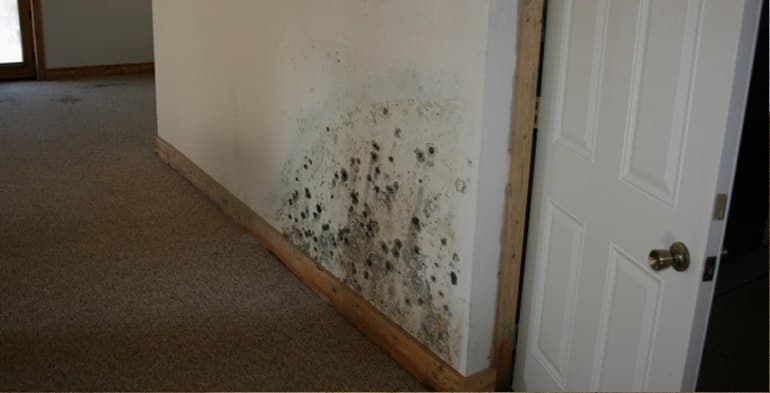
- Visible staining on drywall, ceilings, or basement walls
- Peeling paint, bubbling wallpaper, or warped baseboards
- Persistent condensation on windows or pipes
- Allergy or respiratory symptoms that get worse indoors and better outside
- Recent flooding, leaks, or plumbing repairs
- A home that has sat closed or vacant for months
If any of those apply, a mold inspection is worth the cost.
What a Mold Inspection Includes
At Ease Home Inspection Services performs a thorough visual mold inspection that covers every accessible area:
Visual Assessment
I walk every room, basement, attic, and crawlspace, checking for visible growth, water staining, and conditions that promote mold. Infrared camera scanning is included at no extra charge, which lets me find cold spots and hidden moisture behind walls and under floors before any mold becomes visible.
Moisture Mapping
Mold needs moisture to grow. I use a moisture meter on suspect areas to confirm whether wood, drywall, or masonry has elevated readings. A reading above 20 percent in framing is a problem.
Sampling (When Needed)
If conditions warrant it, I can collect air or surface samples and send them to an accredited lab. Air samples measure spore counts in the home and compare them to a baseline outdoor sample. Surface samples (tape or swab) identify the species of mold on a specific stain.
You'll get a written report with photos, moisture readings, lab results if applicable, and clear recommendations on what comes next.
What the Results Mean
Not all mold is the same. Some species are common nuisances. Others, like Stachybotrys chartarum (often called "black mold"), are more concerning. The species matters less than the source. Any active mold growth indicates a moisture problem, and unless you fix the moisture, the mold comes back.
A typical report will identify:
- The location and extent of any visible mold
- The species and concentration if sampling was done
- The moisture source feeding the growth
- A recommended scope of remediation
Remediation: What to Expect
For small areas (less than 10 square feet of growth), a homeowner can often handle remediation. For anything larger, or for growth involving HVAC systems, hire a licensed mold remediation contractor. Costs vary widely:
- DIY cleanup of a small wall stain: $50 to $200 in materials
- Professional remediation of a basement section: $1,500 to $4,000
- Full-house remediation after major water damage: $10,000 and up
Insurance sometimes covers remediation if it follows a covered event like a burst pipe, but rarely covers mold that grew from chronic moisture.
Frequently Asked Questions
How much does a mold inspection cost?
A visual mold inspection with moisture mapping is typically $250 to $400. Adding lab samples runs $50 to $150 per sample depending on the lab and method.
How long does the inspection take?
About two to three hours for a standard home. Larger properties take longer.
Is a home mold test kit reliable?
Not really. Hardware store mold tests catch ambient spores that exist in every home and rarely identify whether there's an active problem. A professional inspection with calibrated equipment and lab analysis is the only way to know.
My realtor said mold is a deal-breaker. Is it?
It depends on the source and extent. Surface mold from a fixed leak is usually manageable. Widespread growth from a chronic moisture problem is more serious. Either way, you want to know before closing, not after.
Related Reading
- Spring Roof Inspection Poconos: Snow Damage Signs
- What to Expect During Your Home Inspection
- Why Radon Testing is Critical for Poconos Home Buyers
- Well Water Testing Before You Buy a Poconos Home
Schedule Your Mold Inspection Today
If you suspect mold in your Pocono home or you're buying one and want to know for sure, call Matt Cline, CMI at (973) 981-6665 or email Ateasehomeinspectionllc@gmail.com. At Ease Home Inspection Services covers Pike, Wayne, Lackawanna, and Monroe counties in PA, Orange and Sullivan counties in NY, and Sussex County in NJ. Same-week appointments in most areas.