Quick Answer: A septic system inspection is essential when buying a rural home in the Poconos because most properties aren't on municipal sewer. A proper inspection includes locating the tank, opening it, checking sludge levels, testing flow to the drainfield, and confirming the system is sized correctly for the home. Skip this step and you could inherit a five-figure replacement.
If you're buying outside the small downtowns in Pike, Wayne, Lackawanna, Monroe, Orange, Sullivan, or Sussex counties, there's a good chance the home is on a septic system. Don't assume it's working just because the toilet flushes.
Why Septic Matters So Much in the Poconos
Sewer infrastructure in this region is limited to municipal centers. Most rural and suburban Pocono homes rely on private septic systems. Many of them are decades old. Some were installed before modern code. Many have never been inspected or pumped on a regular schedule.
A failing septic system is one of the single biggest unexpected costs a new homeowner can face. A full replacement, including engineering, permits, and installation, is a five-figure project in this region, depending on terrain and system type. Sand mound systems on sloped or shallow-soil lots cost even more.
A proper inspection before closing protects you from inheriting that bill.
Common Septic System Types in This Region
Different lots require different systems, and you'll see all of these in the Poconos:
Conventional Gravity Systems
A buried tank flows to a drainfield in soil that absorbs the effluent. Works on flat lots with deep, permeable soil. Common in older Wayne County and Pike County properties.
Sand Mound Systems
Used on lots with shallow soil, high water tables, or bedrock close to the surface. Effluent is pumped up into a mound of engineered sand. Very common in the Poconos. More expensive to replace and more sensitive to overuse.
Drip and Pressure Distribution Systems
Engineered systems for difficult lots. Use pumps and distribution piping to spread effluent evenly. More components, more things that can fail.
Holding Tanks
Less common, used where no drainfield is possible. Must be pumped on a fixed schedule.
You should know which type you're buying. It affects maintenance, replacement cost, and the kind of inspection that's appropriate.
What a Full Septic Inspection Includes
A real septic inspection is more than a glance at the tank. At Ease Home Inspection Services partners with licensed septic contractors when full inspections are needed, and I provide visual and dye testing as part of a standard home inspection. Here's what a full inspection covers:
Locating the System
The tank, distribution box, and drainfield all need to be located. Sellers often don't know where the tank is. Older systems have no records.
Pumping and Tank Interior Inspection
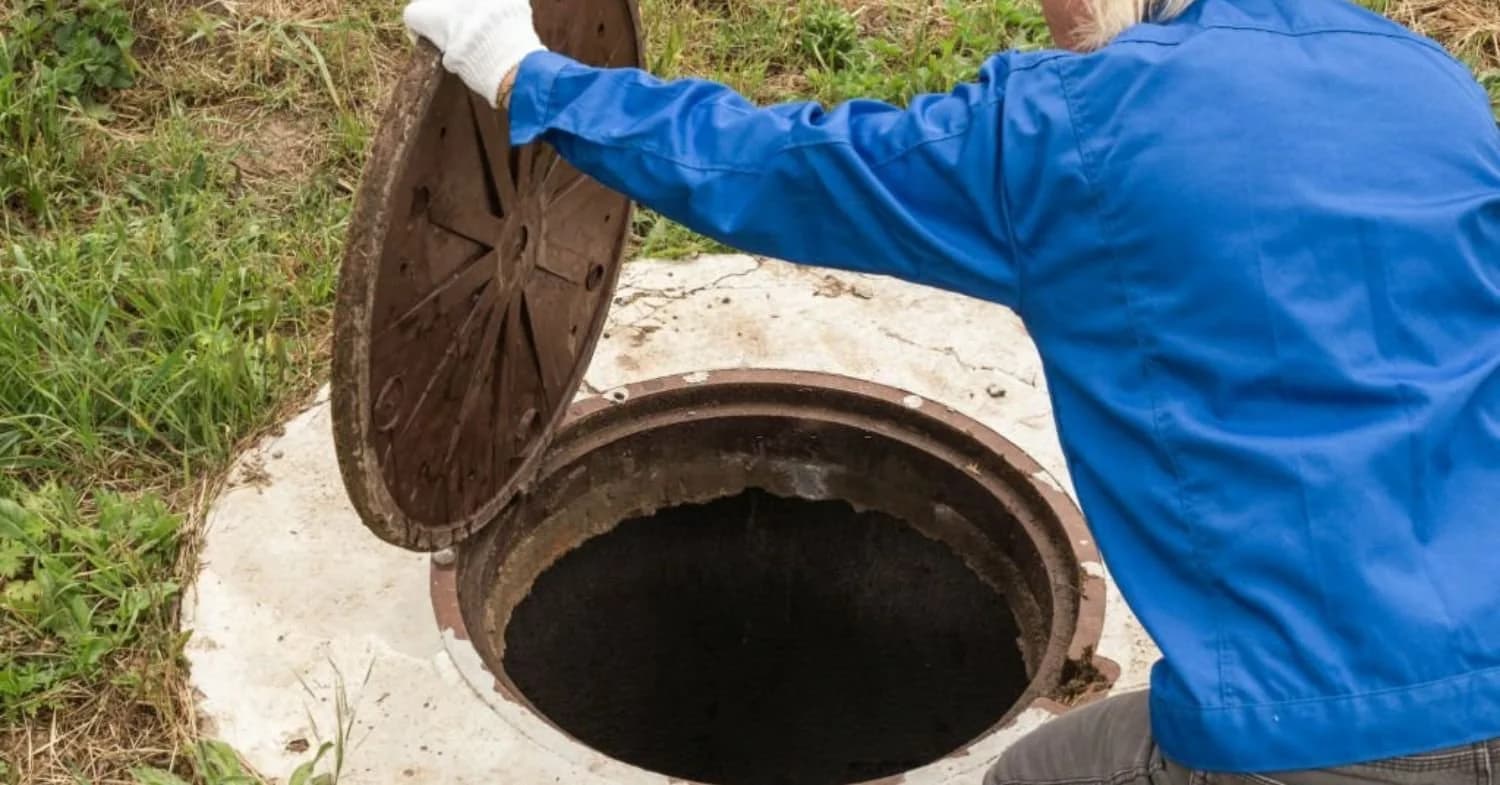
The tank is pumped down so the inspector can check the inlet and outlet baffles, the integrity of the tank walls, and signs of damage or cracking. Baffles that are missing or broken let solids escape into the drainfield and ruin it.
Effluent and Sludge Levels
Before pumping, the inspector measures sludge depth and scum thickness. This tells you when the tank was last pumped and how the system has been maintained.
Drainfield Evaluation
Effluent should percolate through the drainfield without surfacing. The inspector checks the area for soggy spots, lush green strips, sewage odor, or visible effluent. Dye is sometimes introduced to confirm flow paths.
Distribution Box and Lines
The D-box (where present) distributes effluent across the drainfield. It's checked for level, blockage, and root intrusion.
Flow Test
Running 200 to 400 gallons of water through the system over an hour or two stress-tests it the way real household use would. The inspector watches for backups, slow drainage, or surfacing effluent.
Warning Signs of Septic Failure
Even before an inspection, watch for these red flags during a showing:
- Sewage odor in the yard or basement
- Soggy or unusually green grass over the drainfield
- Slow drains or gurgling toilets
- Sewage backing up into the lowest fixtures
- A tank cover that's collapsed or buried under a foot of dirt
- No records of pumping in the past three years
Any of these is reason to slow down and get a full inspection before you sign.
What to Negotiate
If the inspection turns up problems, you have options:
- Ask the seller to pump the tank and document it
- Request repairs to baffles, D-box, or risers as a closing condition
- Negotiate a price reduction equal to the repair estimate
- Walk away if the system needs full replacement
The inspector's report gives you the documentation you need to make any of those conversations stick.
Frequently Asked Questions
How often should a septic tank be pumped?
Most residential tanks need pumping every three to five years. Vacation homes used part-time may go longer. Heavy use or smaller tanks need more frequent service.
How much does a septic inspection cost?
Cost depends on the property, the system, and whether pumping is needed. Contact At Ease Home Inspection Services for a quote. A basic visual and dye test as part of a home inspection is included at no extra charge.
Who pays for the septic inspection in a real estate transaction?
This is negotiable. In a buyer's market, the seller often pays. In a competitive market, the buyer pays. Either way, you want it done before closing.
What if the system passes but I'm worried about long-term capacity?
Ask the inspector about expected service life and any signs of strain. A 30-year-old sand mound, even if functional now, is on borrowed time.
Related Reading
- Wood Destroying Insects: Signs Every PA Homeowner Should Know
- What to Expect During Your Home Inspection
- Why Radon Testing is Critical for Poconos Home Buyers
- How to Read Your Home Inspection Report Without Panicking
Schedule Your Septic Inspection
If you're buying a rural property in Pike, Wayne, Lackawanna, or Monroe county PA, Orange or Sullivan county NY, or Sussex County NJ, don't close without checking the septic system. Call Matt Cline, CMI at (973) 981-6665 or email Ateasehomeinspectionllc@gmail.com to schedule a thorough inspection. At Ease Home Inspection Services coordinates with licensed septic contractors for full system testing when needed.