Quick Answer: Winterizing a Pocono home means sealing it up, checking the heating system, protecting pipes, and clearing the roof and gutters before the first hard freeze. The work should be done by mid-November. Skip it and you risk frozen pipes, ice dams, heat loss, and chimney fires, any of which can ruin a winter.
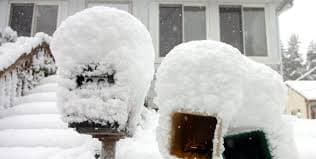
Pocono winters are real winters. Pike, Wayne, Lackawanna, Monroe, and Sussex counties see weeks below freezing, accumulating snowfall, and ice storms that knock out power. A home that wasn't prepared in November will let you know about it in January, usually at the worst possible time.
Here's the checklist.
Heating System
Your furnace, boiler, or heat pump is the most expensive thing in the house to lose during a January cold snap.
Have It Serviced
A licensed HVAC tech should inspect and service your heating system every fall. They'll clean the burner, check the heat exchanger for cracks, test combustion, replace the filter, and verify safe operation. It's a modest annual cost next to an emergency repair.
Check the Heat Exchanger
A cracked heat exchanger leaks carbon monoxide into the living space. This is one of the few inspection findings that's actually life-threatening. Every furnace over 15 years old should be checked annually. An infrared scan during a home inspection can flag cracks that aren't visible.
Replace Filters
A clogged filter strangles airflow, raises bills, and shortens equipment life. Replace 1-inch filters monthly during heavy use, 4-inch and 5-inch filters every three to six months.
Test Smoke and CO Detectors
Replace batteries. Test every detector. Combustion appliances and CO detectors go together. Pennsylvania requires CO detectors near sleeping areas in homes with fuel-burning appliances.
Plumbing
Frozen pipes are the single most common winter disaster in this region.
Drain Exterior Faucets
Disconnect hoses. Shut off the interior valve to each hose bib. Open the outside spigot to let trapped water drain. A frozen hose bib bursting inside a wall is an expensive cleanup.
Insulate Vulnerable Pipes
Any pipes in basements, crawlspaces, garages, or against exterior walls should have foam insulation. Heat tape is appropriate for pipes that have frozen in the past or run through unheated spaces.
Locate the Main Shutoff
Every adult in the house should know where the main water shutoff is and how to operate it. A burst pipe in the middle of the night is bad. A burst pipe you can't stop is catastrophic.
Vacation Homes: Drain or Heat
If you're closing up a Pocono vacation home for the winter, you have two choices. Drain the entire plumbing system (including water heater) and add antifreeze to traps, or keep the heat on at 55 degrees minimum and have someone check the property weekly.
Roof and Gutters
Snow loading and ice dams are this region's specialty.
Clean the Gutters
Every gutter, every downspout, fully clear. Leaves, twigs, and last summer's debris will cause water to back up into the ice dam zone when winter weather hits. Cost to do it yourself: a Saturday afternoon. Cost to hire it out: a modest fee.
Trim Overhanging Branches
Snow and ice break tree limbs. Limbs over the roof become missiles. Anything within ten feet of the house should be pruned back, especially weak trees like silver maples and pin oaks.
Have the Attic Inspected
Heat escaping through the attic is what causes ice dams. Inadequate insulation, poorly sealed light fixtures and ductwork, and blocked soffit vents all contribute. A home inspector with an infrared camera can identify exactly where heat is escaping. Fixing it is far cheaper than fixing the damage from a year of ice dams.
Check the Roof
If your shingles are over 20 years old, have a roofer look them over before winter. Storms test old roofs, and replacing a roof in January is twice the price of replacing one in October.
Chimney and Fireplace
Wood stoves and fireplaces are popular here. They also start fires.
Have the Chimney Cleaned and Inspected
A NFPA-certified chimney sweep should clean and inspect the chimney annually if you use it regularly, or every two years if you use it occasionally. Creosote buildup is what causes chimney fires.
Check the Cap and Crown
Squirrels, raccoons, and rain all want to come in through the chimney. A damaged cap or cracked crown lets them.
Test the Damper
A stuck damper means smoke in the house. A damper that won't close means heat going up the flue all winter.
Exterior
The outside of the house takes the worst of it.
Seal Gaps and Cracks
Caulk around windows, doors, vents, and any penetration. Mice and bats look for winter shelter starting in September. A pencil-width gap is enough for a mouse.
Check Door and Window Seals
Replace torn or compressed weatherstripping. Check that storm doors and windows close fully.
Outdoor Equipment
Drain and store hoses. Tip patio furniture or store it under cover. Cover the AC compressor if your HVAC system has a separate condenser unit (do not wrap it tightly; it needs ventilation).
Snow Equipment
Test the snowblower. Stock fuel and ice melt. Identify the snowplow you'll call when you can't dig out. Pocono storms are not subtle.
Basement and Crawlspace
Cold weather changes what these spaces do.
Check for Moisture
A wet basement in October is a frozen basement in January, with all the associated damage. Sump pumps should be tested. French drains should be checked for blockage.
Crawlspace Vents
In older Pocono homes, crawlspace vents should be closed for winter. In encapsulated crawlspaces with dehumidification, they should stay closed year-round.
Frequently Asked Questions
When should I start winterizing?
Begin in mid-October. Finish by mid-November. Snow can arrive early in this region.
How much should I budget for winter prep?
It depends on the home. Most homeowners pay for a few professional services (HVAC service, chimney sweep, gutter cleaning) plus some materials, far less than the cost of a single frozen pipe.
My home is older and I keep finding new issues. Where do I start?
A full home inspection looks at the whole house in one visit and gives you a prioritized report, so you know what to fix first. Cost depends on home size and age; contact At Ease Home Inspection Services for a quote.
My vacation home sits empty all winter. What's most important?
Either fully winterize (drain everything) or keep heat on with a freeze alarm and weekly check-ins. The middle ground of "I'll turn the heat to 45" is how vacation homes get destroyed.
Related Reading
- Why Radon Testing is Critical for Poconos Home Buyers
- What to Expect During Your Home Inspection
- Mold Inspection in PA Homes: When You Need One and Why
- How to Read Your Home Inspection Report Without Panicking
Want a Professional Look at the Whole House?
If you'd rather have someone walk the whole property and tell you exactly what needs attention before snow flies, call Matt Cline, CMI at (973) 981-6665 or email Ateasehomeinspectionllc@gmail.com. At Ease Home Inspection Services covers Pike, Wayne, Lackawanna, and Monroe counties in PA, Orange and Sullivan counties in NY, and Sussex County in NJ. Every home inspection includes infrared imaging, the crawlspace robot and a drone roof view at no extra charge.